I buy most products myself. This post contains affiliate links. Full disclosure
Using thicker and thicker cream, but your skin still feels tight?
Is hydration the same as moisturizing? Not quite. Hydration adds water to your skin. Moisturizing seals it in. Dry skin usually needs both.
This post is for you if:
- Your skin looks greasy on top but feels tight underneath
- You are not sure what toner, serum, and cream each do
- Heavier creams are not helping
When I was younger, I honestly didn’t know what toners, serums, or creams were supposed to do.
I also didn’t understand why the order of skincare products mattered—at least not until my skin started becoming extremely dry.
As I mentioned in one of my previous posts, things changed a lot after I moved to the U.S.
(If you’re curious, you can check out that post here – Why My Skin Got So Dry After Moving From Korea to the U.S.)
That was when I started paying closer attention to each step in my routine.
Through a lot of trial and error, I slowly realized that skincare isn’t just about buying good products—it’s also about understanding what each product is supposed to do.
One of the biggest things I learned was the difference between hydration and moisturizing.
I’m not an expert, and I’ve never professionally studied skincare. But as someone who has struggled with dry skin for years, I wanted to share what I personally learned along the way.
What Is Hydration?

Hydration is like pouring water onto a dry sponge.
It focuses on adding water back into the skin.
When my face first started getting dry, I thought moisturizing was all I needed.
I kept applying thicker creams, thinking more moisturizer would solve everything.
But no matter how much cream I applied, my face looked greasy on the surface, and things still felt tight underneath.
I started realizing that heavier creams were not the answer to my dryness—sometimes my skin simply needed hydration first.
Once I started focusing on hydration before moisturizing, things felt much more balanced and “moisturized”.
Toners, mists, and watery serums helped my skin feel refreshed instead of just coated with products.
Ingredients like hyaluronic acid help attract and hold water in the skin, so if you are also struggling with dry/dehydrated skin, I recommend looking for products that contain hyaluronic acid.
What Is Moisturizing?

Moisturizing is like adding a protective layer over that sponge to help keep the water from evaporating.
It helps seal hydration into the skin and supports the skin barrier.
After learning the importance of hydration, I also realized that hydration alone was not enough for me.
Especially because I’m constantly around AC, moisture disappears very quickly if I don’t properly lock everything in.
This was when products with ceramides, thicker creams, and sleeping masks started making a huge difference.
Instead of just making my face feel greasy, the right moisturizer helped things feel protected and hydrated for a much longer time.
Ceramides especially worked really well for me because they helped support my skin barrier and prevent moisture loss.
Over time, I realized that hydration and moisturizing are equally important—and finding the right balance between the two completely changed the way I approach skincare.
Dry Skin vs. Dehydrated Skin
Dry skin naturally lacks oil, while dehydrated skin lacks water, and you can have both at once (I do!). If your skin feels tight after cleansing but oily by morning, dehydration may be part of the problem.
I wrote a whole post on how to tell the difference: Dry vs. Dehydrated Skin: How to Tell (and the Routine Order That Fixed Mine).
Recommended Products for Each Step
These are the products that have been working really well for me.
For Hydration

One product that completely changed hydration for me was the Laneige Cream Skin Toner.
It helped things feel hydrated underneath instead of just moisturized on the surface.
For Moisturizing
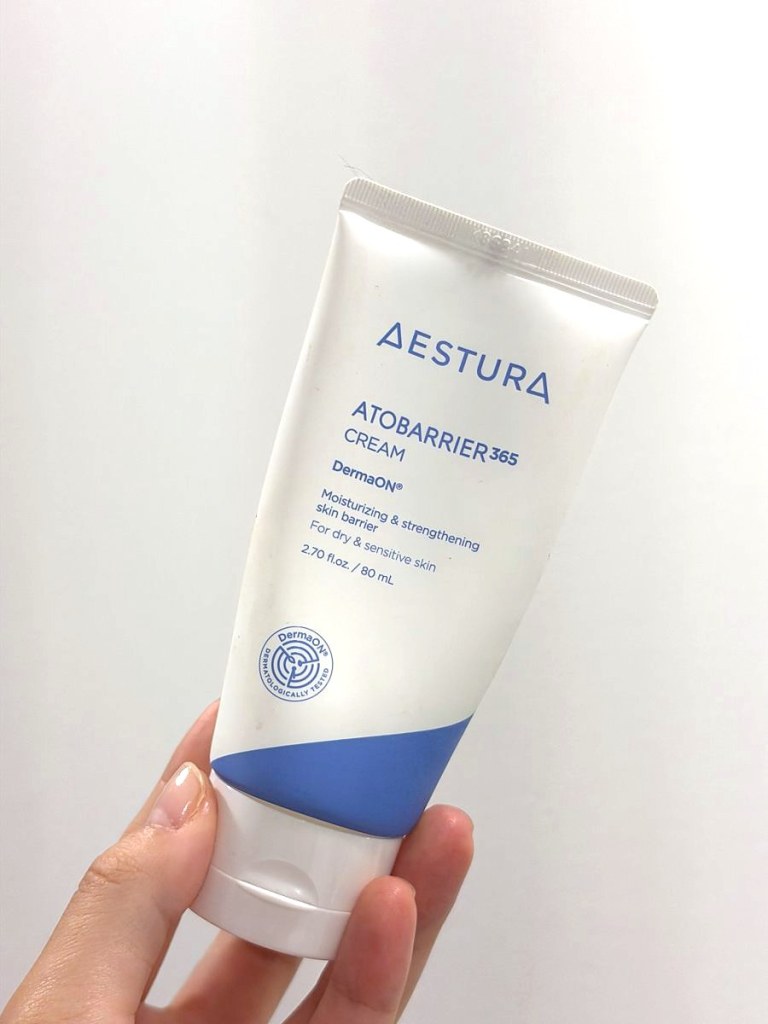
For moisturizing, one of my favorite products has been the Aestura Atobarrier 365 Cream.
It does an amazing job at protecting my skin barrier and locking in moisture overnight.
If you’d like to see more products that worked well for my dry skin (my full skincare routine for day and night), feel free to check out these posts:
👉 My Korean Skincare Routine for Dry Skin (Cleanser to Serum)
👉 Best Moisturizers for Dry Skin: My Morning and Night Picks
Hydration vs. Moisturizing FAQ
Is hydration the same as moisturizing?
No. Hydration adds water to your skin, usually with toners, mists, and watery serums. Moisturizing seals that water in, usually with creams that have ceramides.
Do I need both?
For my dry skin, yes. Hydration alone disappeared fast under the AC. Cream alone left my face greasy on top but tight underneath.
Which goes first?
Hydration first, then moisturizer. Water first, then the layer that keeps it in.
How do I know if my skin needs hydration?
If your skin looks greasy on top but still feels tight, or heavier creams aren’t helping, try adding a hydrating step first. More in my dry vs. dehydrated skin post.
Final Thoughts
One of the biggest things I learned through all of this is that dry skin is not just about using thicker creams.
Understanding the difference between hydration and moisturizing completely changed the way I approach skincare.
My skin still changes depending on the weather, stress, and even the season, but learning the difference between the two helped me stop feeling completely lost when it came to skincare.
I still don’t think I fully understand everything about my skin yet, but I definitely understand it much more than I used to.
Thank you for reading my post today! Hope you found something helpful 🙂
Sincerely,
Hazel 🙂

Disclosure: I buy most products myself. Some were gifts from friends or family, and I’ll always tell you when. No brand has ever paid me or sent me anything to review. Some links in this post are affiliate links, so if you buy through them I may earn a small commission at no extra cost to you. It never changes what I recommend. As an Amazon Associate, I earn from qualifying purchases.


Leave a Reply